You check your portfolio and see red. Stocks are down, which you expect sometimes. But then you look at the bond portion—the part that's supposed to be your ballast, your safe harbor—and it's sinking too. That's the unsettling reality of a US Treasury bond sell-off. It's not just a Wall Street headline; it's a direct hit on everything from your 401(k) and mortgage rate to the interest on your savings account. I've watched this play out multiple times from the trading floor, and the biggest mistake I see is investors treating all "bonds" as the same safe haven. They're not. When Treasuries sell off, the rules change.
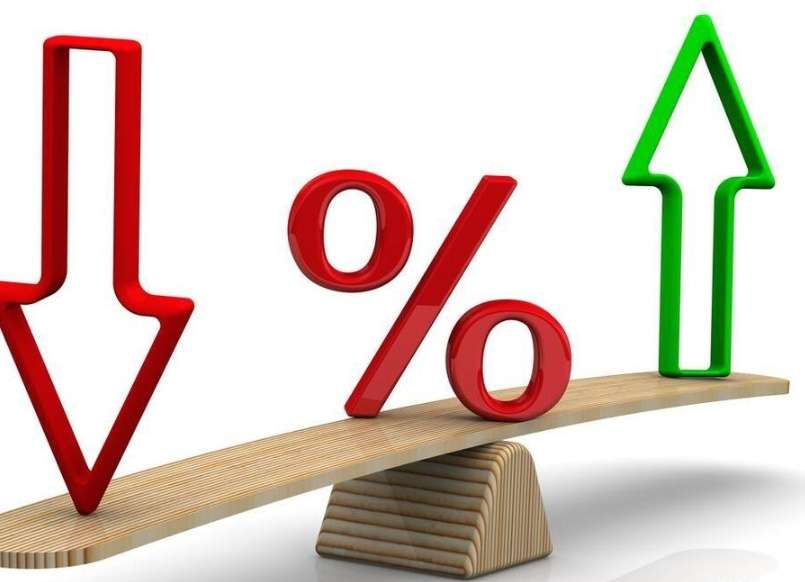
Let's break down what's really happening. A sell-off means investors are dumping US government bonds. This pushes bond prices down. And because bond yields move inversely to price, those yields shoot up. A move from a 2% yield to a 4% yield on a 10-year note might not sound dramatic, but it represents a massive loss in principal value for anyone holding the older, lower-yielding bonds. This isn't a minor adjustment; it's a repricing of the foundation of the global financial system.
Your Quick Guide to Navigating the Sell-Off
What Triggers a Treasury Bond Sell-Off?
It's rarely one thing. It's a cocktail of fears and facts. Talking to a veteran bond trader last time yields spiked, he put it bluntly: "The market can ignore one problem. It can't ignore three hitting at once." Here are the usual suspects, ranked by how much panic they typically cause.
| Trigger | How It Works | What to Watch For |
|---|---|---|
| Runaway Inflation Fears | This is the kingpin. Bonds promise fixed payments. If inflation is 5% and your bond yields 3%, you're losing purchasing power. Investors demand higher yields (sell bonds) to compensate, crushing prices. | Consumer Price Index (CPI) reports, producer prices, wage growth data. A series of "hot" prints is the alarm bell. |
| Aggressive Federal Reserve Action | The Fed raises short-term rates to fight inflation. This makes new bonds more attractive than old, low-yielding ones, forcing a sell-off in the secondary market. They also reduce their own bond holdings (Quantitative Tightening), removing a major buyer. | FOMC meeting statements, the "dot plot" of rate projections, and the pace of the Fed's balance sheet runoff. |
| Collapse in Foreign Demand | Foreign governments and investors are huge Treasury holders. If their own economies need support or the dollar weakens, they may sell Treasuries for cash or other assets. A sudden, large seller creates a vacuum of buyers. | Treasury International Capital (TIC) data, dollar index (DXY) strength, and geopolitical tensions that might force allied nations to liquidate. |
| Fiscal & Political Dysfunction | Massive government deficits mean more bond supply. If investors doubt the political will to manage debt, they demand a higher "risk premium," pushing yields up. Debt ceiling fights are a classic catalyst. | Budget deficit projections, debt-to-GDP ratio trends, and political stalemates in Congress over spending. |
Notice how these feeds into each other? High deficits might force more bond issuance, which coincides with the Fed not buying, into a market already worried about inflation. That's the triple-whammy scenario.
The Domino Effect: What Crashes Next?
A sustained Treasury sell-off doesn't stay in the bond market. It radiates out, hitting assets you might think are insulated. Let's trace the path.
Your Stock Portfolio Takes a Double Hit
First, higher bond yields make bonds relatively more attractive than risky stocks. Money rotates out. Second, and more critically, higher yields increase the discount rate used to value future corporate earnings. This mechanically lowers the present value of stocks, especially high-growth tech names whose profits are years away. It's a valuation reset. I've seen portfolios where the bond sleeve was down 15%, and the growth stock sleeve was down 30%. The correlation they depended on for diversification vanished.
Your Mortgage and Loans Get More Expensive
The 10-year Treasury yield is the benchmark for 30-year mortgage rates. When it jumps, home loans follow within days. Refinancing dries up. Auto loans, business loans—anything with a long-term rate gets pricier. This cools the economy, which is the Fed's goal, but it's a direct cost to you if you're looking to buy or borrow.
A Silver Lining for Savers (Finally)
This is the one positive domino. Banks eventually raise rates on savings accounts, money market funds, and Certificates of Deposit (CDs) to compete with Treasury yields. But there's a lag. Don't expect your savings account rate to move in lockstep. You have to be proactive and shop around for high-yield savings or directly buy Treasury bills yourself.
The Corporate Debt Problem
Companies that borrowed heavily when rates were low now face refinancing at much higher costs. This squeezes profits and can lead to credit rating downgrades or, in worst cases, defaults. The sell-off in government bonds spills over into corporate bonds, widening their yield spreads and making it harder for businesses to invest.
How to Protect Your Portfolio During a Bond Sell-Off
Reacting out of fear is a recipe for locking in losses. You need a plan built before the storm hits. This isn't about predicting the market's top or bottom; it's about building a portfolio that can withstand shocks.
Shorten Your Bond Duration. This is the most powerful lever. Duration measures a bond's sensitivity to rate changes. A bond fund with a 10-year duration will lose about 10% of its value if yields rise 1%. A fund with a 2-year duration will lose only about 2%. Shift some allocation from long-term Treasury funds (like TLT) to short-term Treasury funds (like SHV) or floating rate notes. It's a boring move, but it's your first line of defense.
Look Beyond Nominal Treasuries. Consider Treasury Inflation-Protected Securities (TIPS). Their principal adjusts with inflation, so they hold up better when inflation fears are driving the sell-off. I-bonds from the U.S. Treasury website are another direct option for individuals, though with purchase limits.
Diversify Your "Safe" Assets. Not all stability has to come from US debt. A small allocation to high-quality, short-term international bonds can help. Also, consider cash and cash equivalents not as a dead asset, but as tactical ammunition. When yields peak, that cash can be deployed to lock in high rates.
Re-evaluate Your Stock Holdings. In a rising yield environment, favor companies with strong current cash flows and low debt—value stocks, many dividend payers, and certain sectors like energy or financials (which can benefit from higher rates). Reduce exposure to speculative growth stocks trading on distant future promises.
Here’s a simple mental checklist I run through when I see yields start climbing aggressively:
- Check the duration of my bond funds. Is it above 5 years? If yes, it's time to reconsider.
- Is my cash sitting in a near-zero account? Move it to a higher-yielding option.
- Am I overexposed to profitless tech? Rebalance toward sectors with tangible earnings now.
- Do I have a shopping list of assets I'd buy if they became cheaper? Having one stops panic selling.
Your Burning Questions Answered
A Treasury bond sell-off reshuffles the deck for every investor. It punishes the complacent and rewards the prepared. By understanding the triggers, respecting the domino effects, and adjusting your portfolio's defenses—primarily through duration management and selective diversification—you can navigate this volatility not just to survive, but to position yourself for the opportunities it inevitably creates. The "safe asset" isn't failing; it's just reminding everyone that its price, like all prices, is governed by fear, greed, and the relentless math of economics.
This analysis is based on observed market mechanics and historical relationships. For specific investment decisions, consider consulting a qualified financial advisor. Market conditions can change rapidly.


Leave a Comment